Early dance training uses more than flexible hamstrings and tidy 5th settings. When instructed with care, it ends up being a language youngsters use to talk without words, a method to measure effort, and a quiet lesson in being seen and listened to. Self-confidence expands in these areas, not from applause alone, but from the everyday technique of working toward something stunning and personal. Luxury right here indicates consideration at every touchpoint, from the gentleness of a child's first ballet shoe to the way an instructor says a kid's name. Moms and dads and instructors shape an experience that really feels bespoke, sensible, and deeply supportive.
I have actually seen worried beginners grasp the studio barre as if it were a lifeline, just to skip out an hour later on, cheeks purged and eyes intense. The difference seldom comes down to an excellent plié. It originates from how grownups mount the room, the routines, and the assumptions. With the best technique to Dance Training, confidence does not await an end‑of‑year recital. It starts with action one.
Setting the Stage: The Ambience That Welcomes Courage
A youngster goes into the workshop and immediately reads the room. The workshop's environment informs them what type of tale they are entering. Soft yet clear lights, an uncluttered floor, and mirrors utilized as tools rather than judgmental surface areas all matter. The soundtrack establishes rate and state of mind. High‑quality speakers and music that values a child's ear offer refined deluxe, the kind you really feel yet don't see.
I favor starting each course with a short ritual. One institution lowers the lights a little for thirty seconds, the instructor and pupils stand in a circle, and everyone inhales for a matter of 4, out for a matter of 4. The instructor asks a single inquiry with a careful punctual: Tell me one small win from today, dancing or otherwise. A child might say, "I tied my shoe on the very first shot," or, "I really did not weep when I got hair shampoo in my eyes." This routine does two important points. First, it liquifies the concept that perfection delights into the dancing globe. Second, it supports the class in today, providing nervous minds a handle.
Proximity and spacing contribute to confidence. New professional dancers do better with clearly marked studio areas: a front‑and‑center spot for those eager to lead, side lanes for those who prefer to see before trying, and back‑corner convenience areas for the day when everything really feels as well loud. Rotating teams onward with the course, instead of leaving timid children parked at the back, interacts a gentle assumption that every person belongs near the front eventually.
Wardrobe and Equipment: Little Luxuries That Carry Their Weight
Well fitted attire is not vanity for youngsters, it is structure. A leotard or tee that skims without pinching lets a youngster see their lines and offers a teacher a clean silhouette to guide. Shoes count a lot more. A fifty percent dimension as well big, and every little thing feels clumsy. A fifty percent dimension too tiny, and toes crinkle, sending out stress up the chain. For ballet, a soft leather or canvas footwear with elastic that rests flat saves rips throughout sautés and avoids sores. For jazz and hip‑hop, slim soles that fold and flex aid articulation.
Optional devices, when made use of attentively, add joy without diversion. A soft cover skirt that swishes, a scrunchie that matches the uniform, or socks with a grippy sole for a first‑timers' class can make the studio seem like a special place as opposed to a clean and sterile gym. I once showed a class where each kid chose a bow shade for the term. Bows noted personal mats and developed into props for innovative play when attention waned. Tiny deluxes come to be anchors. They lower mental friction and signal that the youngster's presence matters.
The First Month: Building Trust Fund Prior To Technique
Technique is crucial, yet trust fund unlocks to technique. In the very first 4 to 6 classes, framework the hour to ensure that success is just about ensured. Two or 3 brief mixes, with predictable expressions, give young dancers a chance to master and showcase progression promptly. Keep counts simple. Use threes and fours more than eights, at the very least at an early stage. The brain makes quicker feeling of these patterns, and success compounds.
Language issues when kids are wobbly. Change "do not" regulations with "do" invites. Instead of "do not collapse your arm joints," try "press your arm joints like you're holding a soft beach sphere." Instead of "stop slouching," try "pretend there's a little balloon under your ribs." Allegory is the gold requirement for kids. It transforms abstract improvements into dazzling images they can feel.
Two minutes of companion matching early in class is effective. One kid leads a slow-moving collection of activities, the various other complies with. Roles change after one song. Mirroring builds body understanding, however more importantly, it stabilizes using up space. It also shows that mistakes are just variations. When the leader improvisates a silly action and the follower giggles, self-confidence lifts. Constant laughter in the first fifteen minutes associates, in my experience, with bolder attempts later on in class.
Warm Ups That Do Greater than Warm
Traditional warm‑ups can be sterilized if they feel like a list. For youngsters, think of the warm‑up as a bridge in between the outdoors and the studio's focus. Beginning upright instead of on the floor. Youngsters react to motion that takes a trip from big to little, from familiar to specific.
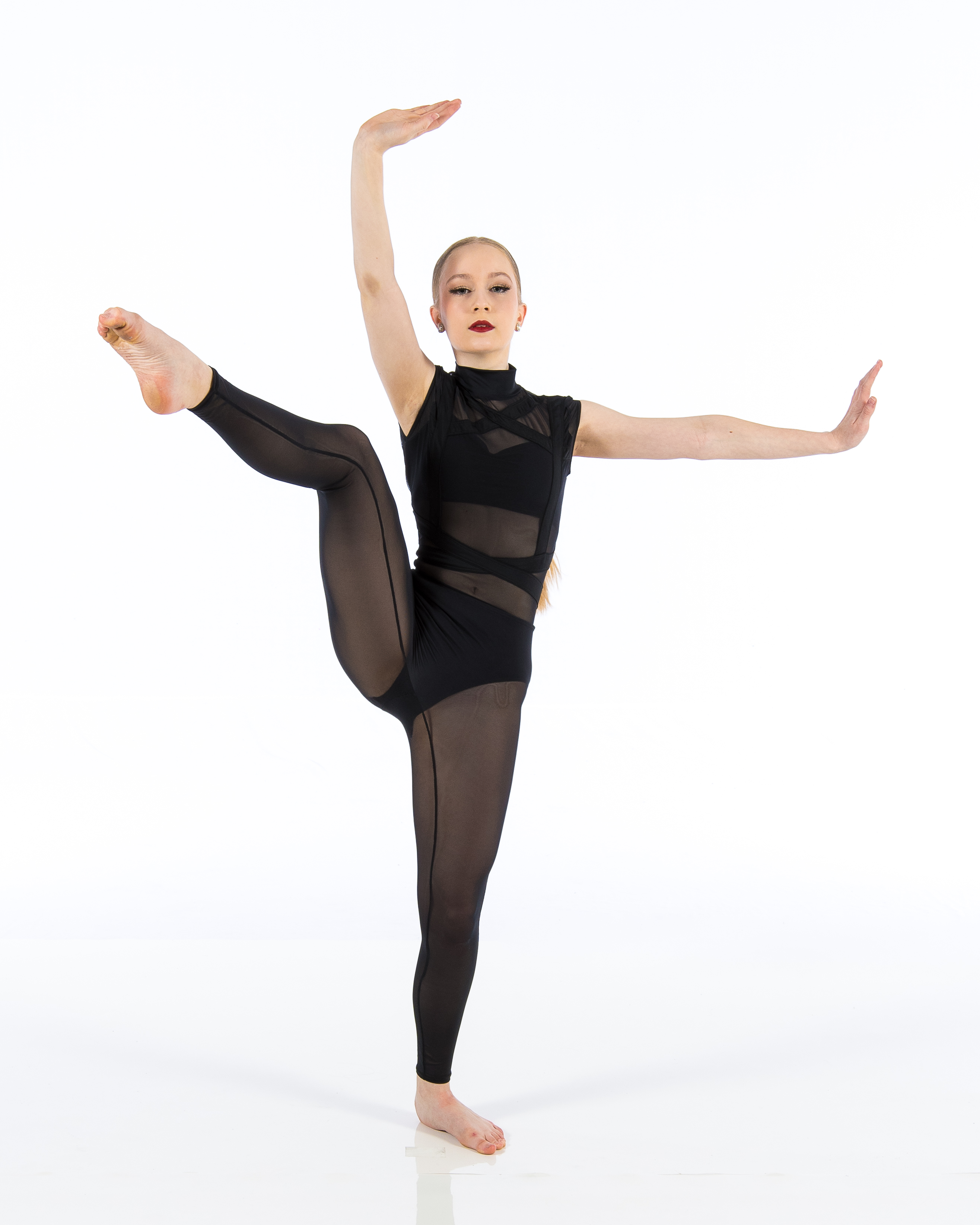
I like a progression that starts with walking that comes to be marching that becomes a gentle gallop. Then pivot to spinal columns: cat‑cow standing, rolling with the head and shoulders, and a sluggish reach that becomes a vast yawn. For feet and ankles, select two or three workouts, not 8. Slow, regulated surges build strength quicker than hurried relevés. When balance totters, plant one finger on the barre or a wall surface. The goal is confidence, not the penalty of starting over.
Breathing deserves a minute. Ask professional dancers to "repaint a sluggish circle" with their breath, hands resting on ribs, really feeling development. It sounds ventilated, but it solves functional troubles. Breath understanding reduces the stiff shoulders and tight necks that make turns frightening and leaps pound.
Technique Without Tension
Children love learning "actual dance words." Utilize them early, but convert. Plié comes to be "a bend like a spring." Tendu is "a brush of the foot that tastes the floor." These pictures strip tension from tasks that can feel inflexible. The secret is rotating crisp direction with innovative release. Do thirty secs of clean tendu, then complimentary the line with a sweeping reach or a traveling miss. By biking on and off the rail line of strategy, you prevent children from grasping and locking. A body that depends on itself discovers faster.
One small workout changes the turning video game completely. Have dancers practice finding with lively stakes. Area sticker dots around the area at child eye level. On a matter, they whip their heads to locate the blue dot, after that the red, after that the green. Speed slowly, supporting the neck and allowing the rest of the body hang loose. When later on you present quarter turns and half turns, finding will feel like an acquainted video game instead of a dizzying demand.
For jumps, keep the floor light. Show toe‑ball‑heel landings as "creature landings," as if they are slipping past a resting dragon. After that show it. Ask to jump across the room while the rest of the course shuts their eyes and listens. If the dives are loud, the dragon "stirs." Giggling replaces anxiety, however technique still sharpens.
Attention, Power, and When to Shift Gears
Children's power shows up in waves, not lines. Good Dance Training respects those tides. The technique is not to dominate power but to shape it. After concerning twelve minutes of fine electric motor emphasis, focus dips. Strategy a vibrant release right prior to that decrease. A two‑minute traveling pattern, a brief "levels" difficulty where dancers relocate from floor to sky, or a call‑and‑response rhythm clap can refill the tank.
I maintain a mental watchlist: lustrous eyes, fidgeting with shoes, or backgrounds humming louder than instructions. When two of those appear with each other, I pivot. The change can be as tiny as altering the songs track or as huge as swapping the order of mixes. A versatile plan signals to kids that the class is alive, not a script. That feeling of responsiveness feeds confidence, due to the fact that it shows respect for their bodies and moods.
Parents as Partners, Not Pressure
Confidence withers under the gaze of consistent evaluation. Moms and dads who like deeply sometimes hover a lot more deeply, cheeks tight, counting blunders. A lot of do not realize how hefty that appearance feels to a youngster. Style the parent experience as very carefully as you make the course. Supply a watching home window only part of the moment. Welcome parents in for the last ten minutes of the first-rate of monthly. Give them language to view with: Try to find effort, not excellence. Ask what really felt fun, not just what went right.
A simple, elegant method aids in the house. After class, show parents to use a three‑question rhythm in the auto:
- What did you attempt today that was new? When did you feel solid in your body? What is one tiny point you want to keep in mind for following week?
This list belongs in the back pocket. It maintains discussion sensation light and positive without turning into a quiz. Households report that this routine reduces nerves prior to recitals and pushes youngsters to observe progression they may otherwise miss.
The Educator's Eye: Improvements That Land
Young professional dancers remember just how you correct much longer than what you remedy. Specificity develops trust fund. "Lift your breast" is vague. "Program me the logo on your tee shirt to the back wall" offers an image with direction. I keep a tally in my head: for every single company adjustment, 2 acknowledgments of effort. This is not incorrect appreciation. It is seeing truth at the ideal resolution. "I saw you roll through your feet much more softly on that particular 2nd pass. Maintain that." Kids lean in when they feel seen at that granularity.
Where you stand issues. Supply your most sensitive correction from the side, a little listed below the child's eye line, so it lands as a shared problem, not a statement. When you can, demonstrate close to as opposed to ahead. The distinction is refined but considerable. Beside says, "We're in this together." Ahead can seem like, "Keep up."
Syllabus Choices: What to Show, When to Educate It
The content of the first year forms a professional dancer's partnership with difficult things. It is alluring to rush toward fireworks actions due to the fact that they impress parents. Stand up to that stress. Begin with musicality prior to micro‑placement. Educate youngsters to clap a rhythm, listen to a syncopation, and really feel the phrase where movement wishes to land. You can include purity to shapes later; music level of sensitivity is harder to retrofit.
For ballet foundations, think of a triangle: plié, tendu, and equilibrium work at the top, with pose and port de bras as the maintaining base. For jazz, focus on isolations that are enjoyable to master: ribcage slides, hip ticks, shoulder pops. Make them a video game. Matter that can relocate one body component while whatever else stays still. For hip‑hop, patterns must emphasize groove initially, method vocabulary secondly. A tidy two‑step and a heavy bounce lay the red rug for later footwork.
I anchor development by weeks. Weeks 1 to 4: positioning and interest, constructing confidence through repeatable phrases. Weeks 5 to 8: stamina and complexity, introducing canons and direction changes without increasing speed. Weeks 9 to 12: rehearsal craft, educating just how to recoup when memory spaces, just how to mark without shedding objective, and exactly how to bow with elegance. Each stage consists of one little element that really feels advanced, like a corner across the flooring with a turn prep, so youngsters taste growth at every stage.
The Power of Play, Even in an Immaculate Room
You can preserve beauty and still welcome play. One workshop I encourage maintains a prop cabinet as curated as a shop: silk headscarfs in six gem tones, foam dice with motion prompts, and ribbon wands. These are toys with a work. Headscarf improvisation shows soft elbows, complete reach, and sustained breath. Foam dice provide possibility right into choreography. Roll a six and everybody executes the expression on the flooring. Roll a two and the team dancings only utilizing hands. Restraints welcome creativity and tell anxious youngsters that there isn't one best answer.
Name games belong even in workshops with a stringent curriculum. At the end of course, each youngster supplies a "trademark step," a two‑count movement called after them. The class repeats it in a circle: "The Mateo," "The Jaya," "The Leena." In time, these micro‑phrases sneak right into choreography, and kids recognize their imprint on the piece. Possession feeds confidence like sunshine.
Injury Avoidance Without Fear
Nothing deteriorates confidence faster than a tweak that Dance training scares a child. Protecting against injury starts with straightforward pacing and surface areas. If the floor is sprung and tidy, you have addressed half the problem. The various other fifty percent is guarding against extreme repetition. Children's cells adjust, however out adult timelines. I follow a basic rule for young classes: if a mix requests more than 5 jumps in a row, divided them into two sets with a stretch or an equilibrium drill between.
Teach hydration as a ritual, not a nag. Tiny water breaks every twenty mins keep energy smooth. Slip in toughness with play. A slow "statuary freeze" where they increase to high demi‑pointe and hold for the length of a peaceful breath constructs calf bone endurance without tedium. For knees, the hint is alignment as a tale: "Shine your kneecaps over your toes so the train tracks remain right." Those words stick.
If a kid does really feel a tug or a sting, stand up to the urge to sugarcoat. Pause, assess, and customize. Invite the youngster to trail the course with top body work or marking actions. Maintaining them involved stops the spiraling thought that they are behind. A youngster who discovers that they can readjust and still belong becomes far braver.
The Music Selection: Curated, Not Crowded
Playlists do a shocking amount of teaching. A thoroughly curated set makes technological drills feel stylish. Keep paces somewhat slower than your teaching voice desires. Youngsters rush to fill up audio. Slower tracks leave space for articulation. Rotate acquainted songs over a term so children develop activity memory as a reflex when the first notes land.
Stay open to their demands, within boundaries. A guideline that functions: two educator tracks, one trainee pick. When a youngster dancings to their favored track, you will certainly see a change in carriage. The spinal column extends, the face opens up, and risk‑taking boosts. That shift is pure confidence, birthed of recognition.
Auditions, Recitals, and The High‑Stakes Moment
Big events can turn in any case. They raise some kids and freeze others. The difference typically boils down to preparation that values psychology, not simply choreography. In the weeks before a tryout or recital, rehearse the edges as much as the center. Technique strolling on stage, finding a beginning mark, and entrusting to poise. Teach a reset regular for memory slips: take one breath, find your close friend's shoulder degree in your field of vision, lock your next move, and go. These micro‑systems are deluxe in the truest sense, not flashy, however reassuring and rare.
Run micro‑showings. Invite a surrounding class in for a two‑minute efficiency throughout the last ten minutes of wedding rehearsal. Spotlight the practice of bowing well, with the head level, a soft smile, and weight over midfoot. Kids that discover to finish with elegance carry that feeling right into the next beginning.
The Silent Metrics That Matter
Not every gain needs a certificate. Self-confidence appears in tiny stance modifications and bolder eyes. I track three silent metrics throughout the initial term with brand-new dancers. First, entrance rate. Do they stroll into the studio without hesitating at the door by week 3? Second, modification uptake. Does a correction land within 2 efforts by week 6? Third, recovery actions. When they miss a count, do they search for the songs or for me? By week eight, I want them self‑seeking the matter without looking for permission.
For parents who want something substantial, produce an easy term card with five lines and stylish checkmarks: attends frequently, concentrates without motivates for 5 minutes, attempts brand-new actions without aid, gives peer motivation at least once per class, bears in mind 2 counts of choreography without cues. The first time a child sees those checkmarks, shoulders lift.
When a Kid Doesn't Spark Right Away
Every instructor satisfies a child that steps in, attempts, and still looks unlit by the end of class. It doesn't constantly indicate the incorrect design or the wrong workshop. Seek the rubbing point. Some children have problem with mirror turnaround and benefit from dealing with far from the mirror, matching the instructor like a shadow. Others dislike the textured leggings and only emphasis once they change to footless. One seven‑year‑old I educated disliked turns for an entire term. When we mapped a pale chalk dot on the floor for her standing foot, she kicked back and transformed easily. The right change can be a pixel shift.
There are times, however, when the most effective option is a time out. A four‑year‑old who sobs via the entire class for three weeks might require a various beginning. Offer a much shorter course, or have an assistant educator or older pupil friend them for two sessions. High‑touch services like these feel extravagant because they are personal. They also work.
The Present of Stillness
Children affiliate dance with movement, naturally. Yet moments of serenity offer shape to the art and wild animals habitat to confidence. An elegant practice to end class is "soft endings." The songs discolors, professional dancers push their backs with one hand on the heart, one on the belly, and they "listen to their within applause." It appears whimsical, however it teaches self‑reference. Instead of scanning deals with for authorization, they find out to observe their very own pulse and breath as evidence of effort.
Parents frequently tell me Tigard local dance training that this tiny routine modifications bedtime right. Children breathe more deeply, relocate their bodies a lot more delicately, and speak about what they learned rather than whether they were excellent. That shift, repeated weekly, is the seed of durable confidence.
A Brief Checklist for Parents Deciding On a Studio
- Teachers talk to youngsters with accuracy and heat, using pictures that make sense to young bodies. The routine allows for constant attendance without overwhelming the week. Floors are sprung and tidy, songs is curated, and class dimensions stay little enough for every child to be seen. The society worths initiative and musicality together with clean lines. Parent communication is regular, focused on growth behaviors rather than just performance outcomes.
A Teacher's Pocket Guide to Confidence‑First Class Flow
- Begin with a short, predictable ritual that centers breath and names a win. Alternate accurate drills with lively release to stay clear of stiffness. Keep corrections details, location yourself close to the child, and mark initiative along with results. Use curated props and songs to nurture emphasis without littering the room. Rehearse the sides: entrances, departures, and recuperation methods as thoroughly as the steps.
The Long View: Dance Training as a Self-confidence Curriculum
Good Dance Training is a sequence of appealing actions, representations, and little refinements. The gains are collective. A youngster finds out to bow for an audience, yet also to acquiesce their own procedure. They hold a form for eight counts and discover that stability comes from small muscles they didn't understand they had. They start to hear the songs as a partner, not a metronome, and this expands their feeling of self. Confidence is not the loudest kid in the room or the one that toenails the pirouette first. It is the quiet steadiness that states, I can attempt, I can adjust, I can return.
The first step matters, certainly. It sets the tempo for exactly how a youngster will certainly approach tough things in life. When that step is cushioned by thoughtful details, held by grownups who choose language well, and met a room that feels like a charitable stage, confidence grows virtually without effort. And then, someday, without warning, the kid that squeezed the barre will certainly jump, land silently, and glance up with a smile that informs you they have actually found something irreversible. Not a best tendu, not yet. Something rarer. The understanding that they can trust themselves to move on, one refined step at a time.
Business Name: Doty Performance Website: https://www.dotyperformance.com/ Phone: +1 (503) 822-5276 Address: 20345 SW Pacific Hwy #306, Sherwood, OR 97140, United States About Doty Performance: Doty Performance is a dance studio in Sherwood, Oregon that offers a variety of dance programs for all ages and levels of dancers. We have classes for Ballet, Tap, Jazz, and Hip-Hop. So if you are looking for a dance studio near me that welcomes all skill levels, ages, and genders, look no further than Doty Performance dance studio.